
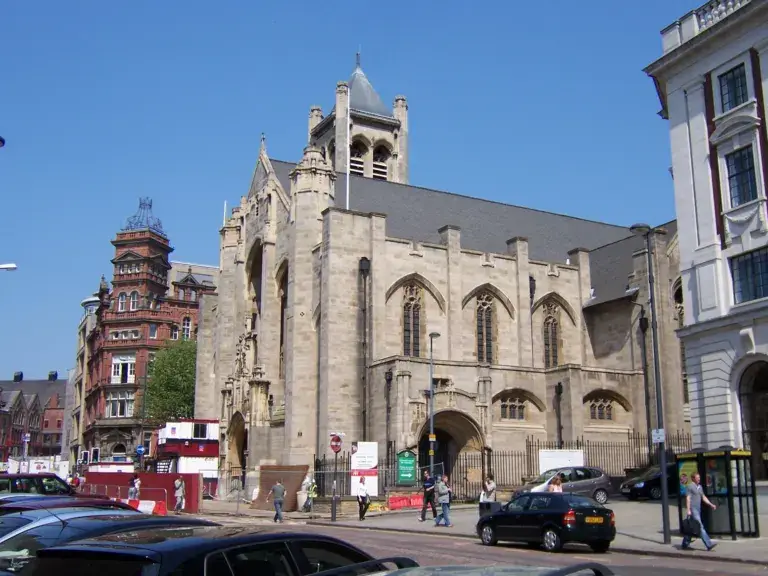
 Photo: Jungpionier / CC BY-SA 3.0
Bill to let a Catholic Prime Minister advise on Church appointments clears Lords second reading
The short Government bill removes centuries-old rules that stop a Roman Catholic or Jewish Prime Minister advising the King on Church of England appointments.
Key points
- Peers backed the Church Appointments Bill at second reading on 10 November.
Show 2 moreShow fewer
- It lets a Catholic or Jewish Prime Minister advise the King on Church appointments.
- The bill has already passed all its Commons stages.
Christopher Joyce, Editor
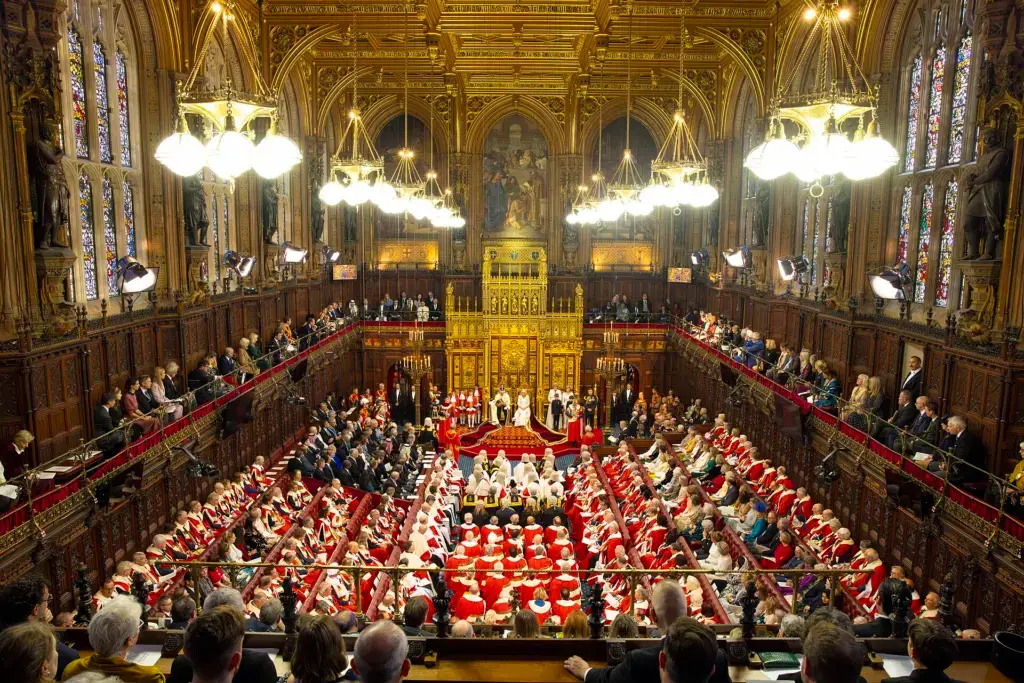 Photo: Houses of the Oireachtas / CC BY 2.0
Peers debated the Government’s Church Appointments (Repeal of Discriminatory Provision) Bill at second reading in the House of Lords on Tuesday 10 November, taking it a step closer to becoming law.
The bill removes historic restrictions that prevent a Roman Catholic or Jewish Prime Minister from advising the Sovereign on appointments in the Church of England and the Church of Scotland. It was introduced after Andy Burnham, a Catholic, became Prime Minister.
According to the Cabinet Office, the bill “will remove the historic religious restrictions which prevents a Roman Catholic or Jewish Prime Minister from carrying out the full constitutional duties of their office.”
Lord Chancellor stands in
In a written statement on 10 September, Mr Burnham said: “It is, however, unacceptable for there to be a legislative bar against people of any faith”. He has transferred his role in advising on Church appointments to the Lord Chancellor in the meantime.
The bill passed all its Commons stages on 21 October and had its first reading in the Lords the next day. The Government has described it as a short, targeted bill.
Prime Ministers advise the King on the appointment of Church of England diocesan bishops and some other senior posts, usually passing on names chosen through the Church’s own processes.


Comments
No comments yet. Start the conversation.