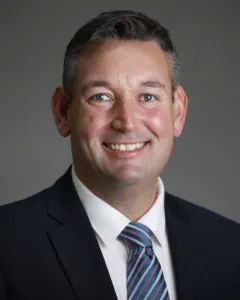
Conservative
Miles Briggs
Regional MSP for Edinburgh and Lothians East, Scottish Parliament
2026
Family · Asked the Scottish Government
To ask the Scottish Government what additional support it will provide to young people living in kinship care arrangements as part of the delivery of The Promise.
Answer: The Scottish Government recognises the vital role of kinship care in providing safe, loving and stable homes for children and young people who cannot live with their parents.The Children (Care, Care Experience and Services Planning) (Scotland) Act 2026 introduces a range of measures to strengthen support for children and young people with experience of care. These include…
Life · Asked the Scottish Government
To ask the Scottish Government how many IVF treatment cycles have been provided in each NHS board area in each year since 1999.
Answer: The Scottish Government does not hold this information.
Family · Asked the Scottish Government
To ask the Scottish Government whether it has any plans to extend kinship care support payments to eligible young people up to the age of 21.
Answer: The Scottish Government has no current plans to extend kinship care allowances to age 21.We recognise, however, the importance of supporting young people in kinship care as they move into adulthood. Existing legislation allows local authorities, where they consider it appropriate, to provide an allowance to certain eligible young people in kinship care after they reach 16 and…
Life · Asked the Scottish Government
To ask the Scottish Government when will it appoint a new National Clinical Lead for Palliative and End of Life Care.
Answer: Work to recruit and appoint a new National Clinical Lead for Palliative Care is ongoing. Further information will be made available in due course.
Life · Asked the Scottish Government
To ask the Scottish Government when all maternity hospitals will have dedicated miscarriage care spaces.
Answer: All 14 NHS Boards in Scotland have confirmed that patients experiencing miscarriage at any stage of pregnancy are seen in a separate private space appropriate for bereavement.
Life · Asked the Scottish Government
To ask the Scottish Government when the review of IVF provision in Scotland will conclude.
Answer: The Scottish Government has committed to commissioning a review of NHS IVF provision in the first 100 days of this parliamentary session. We are currently considering the scope of the review.
Life · Asked the Scottish Government
To ask the Scottish Government when NHS pay parity for hospice staff will be fully implemented.
Answer: Hospices play an invaluable role supporting patients and families at the most difficult time in their lives and we remain committed to supporting them.The budget for 2026-27 includes £9.4 million to support independent hospices and help ensure that hospice staff providing patient care are paid fairly in line with their NHS counterparts.However, it is important to reflect that…
Life · Asked the Scottish Government
To ask the Scottish Government when the proposed "Molly’s Suite" for paediatric palliative care will open.
Answer: The Scottish Government supports the development of a paediatric palliative care suite in Greater Glasgow and Clyde. We want to ensure that children and young people receive high quality palliative care and that their families and carers have flexible support, based on their individual needs, in a location that suits them.‘Molly’s suite’ will build on the work done by young…
2023
Life · Asked the Scottish Government
To ask the Scottish Government whether it will provide an update on when it plans to run a public consultation on its Palliative and End of Life Care Strategy.
Answer: The Scottish Government aims to publish a draft strategy for consultation in Spring 2024.
Life · Asked the Scottish Government
To ask the Scottish Government how much funding it will allocate to the implementation and delivery of its Palliative and End of Life Care Strategy.
Answer: As part of the work to develop a new Palliative and End of Life Care Strategy, the Strategy Steering Group for Palliative Care will consider the financial implications of delivery.
Life · Asked the Scottish Government
To ask the Scottish Government whether it will publish a timeline for the development of its Palliative and End of Life Care Strategy.
Answer: The Scottish Government is in the process of agreeing a timeline for the development of the Palliative Care Strategy with the Strategy Steering Group for Palliative Care, and will publish this once agreed.
Life · Asked the Scottish Government
To ask the Scottish Government what information it holds on how much funding has been made available by NHS boards for hospices in each of the last five years, broken down by (a) NHS board and (b) hospice.
Answer: The Scottish Government does not hold this information centrally. The funding and commissioning of palliative and end of life care services, including hospices, is a matter for Integration Authorities using the integrated budgets under their control.
Life · Asked the Scottish Government
To ask the Scottish Government when it will bring forward a new national funding framework for hospices, following its meeting with Hospice UK in March 2023.
Answer: I met with representatives of the hospice sector on 3 October to discuss funding and the development of a new framework. I have committed to holding a round table later this year to discuss the development of a framework with health and social care partnerships and independent hospices to support local planning, commissioning and funding of independent hospice care.
Life · Asked the Scottish Government
To ask the Scottish Government what engagement it has had with Health and Social Care Partnerships regarding a new long-term national framework for hospice funding, and what the outcome of any such discussions has been.
Answer: Since independent hospice representatives met with Ministers in March 2023, SG officials have had a number of meetings with Health and Social Care Partnerships from April through to July to discuss the independent hospice sector’s calls for a national framework for hospice funding, and this engagement is continuing.
Life · Asked the Scottish Government
To ask the Scottish Government when it will publish its new strategy for palliative care.
Answer: The Scottish Government has established a Strategy Steering Group to oversee the development and delivery of a Palliative and End of Life Care Strategy, and aims to publish a draft strategy for consultation by the end of 2023.
Life · Asked the Scottish Government
To ask the Scottish Government what plans it has to develop a palliative care strategy for prisoners requiring end of life care.
Answer: The Scottish Government’s Palliative and End of Life Care Strategy is being developed with an overarching aim that everyone in Scotland receives well-coordinated, timely and high-quality palliative care, care around death and bereavement support, based on their needs and preferences. We will develop a strategy that reflects what matters to people experiencing serious illness…
Life · Asked the Scottish Government
To ask the Scottish Government what progress has been made towards adopting the Daffodil Standards for delivering end of life care.
Answer: The Scottish Government recognises the important role of primary care teams in delivering care to patients living with advanced, serious illness or at the end of life, and their loved ones. The Daffodil Standards are one initiative to support general practice teams to improve the care that they provide to people near the end of life. The Scottish Government does not collect…
Family · Asked the Scottish Government
To ask the Scottish Government what support it provides to charities supporting families to prevent family breakdown.
Answer: The Scottish Government wants children to grow up loved, safe and respected and to fulfil their potential, and our third sector partners play a critical role in achieving this. We are providing over £34 million to a wide range of third sector organisations who are delivering support to families through a number of programmes – the Whole Family Wellbeing Fund, the Children…
Life · Asked the Scottish Government
To ask the Scottish Government what support it has provided to help deliver hospice at home services, in each year since 1999.
Answer: Through the introduction of the Public Bodies (Joint Working) (Scotland) Act 2014, it has been the responsibility of Integration Joint Boards (IJBs) to plan and resource adult palliative care services for their area, including hospice and hospice at home services, using the integrated budget under their control. The Scottish Government does not hold information centrally on…
Life · Asked the Scottish Government
To ask the Scottish Government how much funding has been provided to date to each hospice by Integration Joint Boards under the Public Bodies (Joint Working) (Scotland) Act 2014 to plan and commission services for their area using the integrated budget under their control, including palliative and end-of-life care services.
Answer: This information is not held centrally. It is the responsibility of Integration Joint Boards (IJBs) to plan and commission adult palliative and end of life care services for their areas using the integrated budgets under their control.
Life · Asked the Scottish Government
To ask the Scottish Government what assessment it has made of any additional costs that could be incurred by the hospice sector as a result of the recent NHS Pension Scheme review.
Answer: The costs of the NHS Pension Scheme (Scotland) for employers are determined by the quadrennial scheme valuation. The latest valuation, the 2020 valuation, is currently in progress and will determine the new employer contribution rate effective from 1 April 2024. There are many variables which can impact the final result of the valuation, not least the SCAPE discount rate which…
Life · Asked the Scottish Government
To ask the Scottish Government what plans it has to develop a new partnership with the hospice sector.
Answer: The Cabinet Secretary for Health and Social Care and myself met with hospice sector representatives on 14 March to discuss the pressures that the hospice sector are currently facing. The Scottish Hospice Leadership Group and a number of hospices continue to be valued members of the Scottish Government’s Strategy Steering Group for Palliative and End of Life Care, and Scottish…
Life · Asked the Scottish Government
To ask the Scottish Government what assessment it has made of any sustainable funding needed by the hospice sector.
Answer: Our Programme for Government in 2021-22 committed to provision of high-quality child palliative care, regardless of location, supported by sustainable funding of at least £7 million per year through Children’s Hospices Across Scotland. Scottish Government officials are in discussions with CHAS about the sustainability and oversight of funding going forward. It is the…
Life · Asked the Scottish Government
To ask the Scottish Government how many (a) adults and (b) children have received hospice care in each year since 1999.
Answer: This is a matter for independent hospices, Health Boards and Health and Social Care Partnerships. The information requested is not held centrally.
Life · Asked the Scottish Government
To ask the Scottish Government what assessment it has made of any impact of NHS staff pay awards on the hospice sector.
Answer: The Scottish Government has not carried out an assessment of the impact of NHS staff pay awards on the independent hospice sector, however, Scottish Government Ministers are meeting with representatives from the sector in March 2023 to discuss pressures that hospices are facing.
Life · Asked the Scottish Government
To ask Scottish Government whether it will provide an update on the outcome of its 2016 commitment to provide £30 million over five years to the Children’s Hospice Association Scotland (CHAS).
Answer: CHAS received £6m pa from 2016/17 – 2020/21. This was followed by a Programme for Government commitment in 2021/22 to “ensure provision of high-quality child palliative care, regardless of location, supported by sustainable funding of at least £7m per year through Children’s Hospices Across Scotland”.
Life · Asked the Scottish Government
To ask the Scottish Government what plans it has to provide so-called 50/50 funding for adult hospice care places.
Answer: The SG has no plans to change the funding arrangements for adult hospices. It is the responsibility of Integration Joint Boards (IJBs) under the Public Bodies (Joint Working) (Scotland) Act 2014 to plan and commission services for their area using the integrated budget under their control, including palliative and end of life care services.
Life · Asked the Scottish Government
To ask the Scottish Government how many (a) children and (b) adults have received hospital or hospice at home support in each year since 1999.
Answer: Public Health Scotland collect Management Information on the number of adults receiving Hospital at Home. However, no data is collected on children receiving this service or on patients receiving a Hospice at home services, although some of the patients receiving hospital at home may be receiving end of life care. The following table shows the total number of adults (16+) who…
2022
Family · Asked the Scottish Government
To ask the Scottish Government what planned work has been undertaken to develop an adoption/foster care box of essentials for families.
Answer: In Scotland, there is a range of financial and practical support available to adopted and fostered children and young people, and their families. This year, the Scottish Government has provided funding of over £500,000 to third sector organisations, including Adoption UK Scotland and the Fostering Network, to provide the help that adoptive and foster families may require. The…
Family · Asked the Scottish Government
To ask the Scottish Government what (a) assessment it has made of the Independent Inquiry into Child Sexual Abuse, and (b) potential lessons can learned for Scotland.
Answer: The Scottish Government remains committed to supporting all survivors of childhood abuse. We are currently considering the evidence, findings and recommendations which have come out of the Independent Inquiry into Child Sexual Abuse in England and Wales, and will do the same for the Scottish Child Abuse Inquiry when it reports the outcome of its investigations in due course…
Family · Asked the Scottish Government
To ask the Scottish Government what the kinship care allowance payment is in each local authority area.
Answer: The Scottish Government does not hold information on payments of kinship care allowance as local authorities are responsible for deciding levels of care allowance based on local decision making practices and specific needs of individual children or young people. The information can be found using the following link Allowances surveys | The Fostering Network
Society · Asked the Scottish Government
To ask the Scottish Government how many victims of modern slavery have been identified in each year since 1999.
Answer: The National Referral Mechanism is the UK-wide framework for identifying victims of human trafficking and exploitation and ensuring they receive appropriate support. The NRM is operated by the Single Competent Authority and Immigration Enforcement Competent Authoritywithin the Home Office. NRM data can be accessed via the Modern Slavery: National Referral Mechanism statistics…
Society · Asked the Scottish Government
To ask the Scottish Government how many people have been charged with modern slavery-related offences in each year since 1999.
Answer: There is not a single offence of modern slavery in Scotland. Several offences fall within the ambit of modern slavery. These offences are listed below. On 31 May 2016, the Human Trafficking & Exploitation (Scotland) Act 2015 came into effect. The 2015 Act introduced new offences and aggravations, which apply to conduct occurring on or after 31 May 2016. Offences that were in…
Family · Asked the Scottish Government
To ask the Scottish Government how much each local authority has allocated in kinship care payments in each year since 1999.
Answer: The Scottish Government does not hold information on kinship care payments as local authorities are responsible for deciding levels of care allowance based on local decision making practices and specific needs of individual children or young people.
2021
Life · Asked the Scottish Government
To ask the Scottish Government what the (a) average and (b) longest waiting time for access to IVF treatment has been in year since 1999, broken down by NHS board.
Answer: The Local Delivery Plan Standard for IVF Waiting Times is for ‘90 per cent of eligible patients to commence IVF treatment within 12 months of referral. The 90% standard continues to be met since it was first measured in March 2015. Waiting time statistics on the waits experienced by patients from referral to screening appointment for in vitro fertilisation (IVF) treatment can…
Life · Asked the Scottish Government
To ask the Scottish Government, in light of the introduction of the Down Syndrome Bill to the UK Parliament by Liam Fox MP, what (a) support and (b) provisions it will provide in order to establish a national strategy to improve (i) provision and (ii) outcomes for people with Down syndrome in Scotland.
Answer: The Scottish Government wants to improve support and provisions for people with Down’s Syndrome, but also takes a wider view that this should include all people with learning disabilities, and their families. We already have a national strategy in place to improve opportunities, outcomes and support for people with Down’s Syndrome, and their families, through the Keys to Life…
Society · Asked the Scottish Government
To ask the Scottish Government how many cases of human trafficking have been (a) reported and (b) investigated in the last 12 months.
Answer: Should an incident reported to Police Scotland involve criminality then this will be recorded and investigated by Police Scotland, and therefore be included in the Recorded Crime in Scotland National Statistics published by the Scottish Government. The recorded crime statistics include several types of crime in relation to the Human Trafficking and Exploitation (Scotland) Act…
Life · Asked the Scottish Government
To ask the Scottish Government what plans it has to introduce a new national strategy for palliative and end of life care.
Answer: The Programme for Government, published on 7 September, includes a commitment to develop and publish a new national strategy for palliative and end of life care over the coming year. Officials have commenced the planning process for developing the strategy and stakeholder engagement work will be commencing in the coming months.
Life · Asked the Scottish Government
To ask the Scottish Government whether it will provide an update on what plans it has to appoint a new National Clinical Lead for Palliative and End of Life Care for Scotland.
Answer: I refer the member to the answer to question S6W-01813 on? 11 August 2021. All answers to written Parliamentary Questions are available on the Parliament's website, the search facility for which can be found at https://www.parliament.scot/chamber-and-committees/written-questions-and-answers
Family · Asked the Scottish Government
To ask the Scottish Government what measures, policies or strategies it has in place to help prevent family breakdown.
Answer: The Scottish Government is committed to delivering the Promise, supporting families to stay together in a safe and loving environment, and reducing the amount of children who are taken into care. Fundamentally, Getting it right for every child (GIRFEC) is the Scottish Government's approach to supporting children and young people. It supports families and helps to prevent…
Society · Asked the Scottish Government
To ask the Scottish Government what its position is regarding policies that are in place to ensure single-sex ward provision in hospitals.
Answer: The Scottish Government expects everyone to be treated with consideration, dignity and respect when accessing and using NHS services. NHS staff will make every effort to ensure that the privacy and dignity of all patients are maintained in Scottish hospitals. All patients should routinely be cared for in wards or bays which are for single sex occupancy. The Scottish Government…
Life · Asked the Scottish Government
To ask the Scottish Government what progress it has made towards its vision that by 2021 everyone who needs palliative care will have access to it.
Answer: Care for people towards the end of life is an important priority for the Scottish Government. Good care at end of life requires collaborative, multi-disciplinary support, which is why Integration Authorities have been given statutory responsibility for meeting this need. Integration Authorities regularly report on their progress using the 23 indicators (…
Life · Asked the Scottish Government
To ask the Scottish Government what data and evidence it collects to determine whether people with terminal illnesses are able to access palliative care services across all settings.
Answer: We do not have a single measure that captures performance against this aim, as the provision of palliative care depends on the interaction of a range of services - formal palliative care, care at home and care home services, and access to hospice and hospice-at-home services - that vary considerably in definition between local systems. Good care at end of life requires…
Life · Asked the Scottish Government
To ask the Scottish Government in light of research by Marie Curie, the University of Edinburgh, King's College London and Public Health Scotland, How many people will need palliative care in Scotland by 2040? A mixed-method study of projected palliative need and recommendations for service delivery, which has projected over 10,600 more people will die with palliative care needs each year by 2040…
Answer: Providing high quality, person centred care for people towards the end of life is an important priority for the Scottish Government. We want people to get the care and support that is right for them and enable them to stay in their local community for as long as possible. Due to the challenges associated with the pandemic, we are seeing more people being cared for in community…
Life · Asked the Scottish Government
To ask the Scottish Government whether IVF treatment services can continue under the current COVID-19 restrictions and, if so, to what extent.
Answer: The 4 NHS IVF Centres in Scotland remain open and will be guided by the Scottish Government’s Winter 2020/21 plan for Fertility Services in Scotland. Coronavirus (COVID-19): fertility services - winter 2020/2021 preparation plans - gov.scot (www.gov.scot) All Centres continue to provide the full range of treatments at present and this will be reviewed regularly due to the…
2020
Life · Asked the Scottish Government
To ask the Scottish Government how many people receiving IVF treatment have had their treatment paused since the start of the COVID-19 outbreak.
Answer: Public Health Scotland collects IVF Waiting Times data for first cycle to screening appointment within the confines of the Human Fertilisation and Embryology Act. Information regarding IVF can be found in the IVF waiting times section of the Public Health Scotland website at…
2019
Life · Asked the Scottish Government
To ask the Scottish Government what progress it is making toward its ambition that by 2021 everyone who needs palliative care will have access to it.
Answer: Good care at end of life requires collaborative, multi-disciplinary support, which is why Integration Authorities have been given statutory responsibility for meeting this need. Integration Authorities regularly report on their progress using the 23 indicators (https://www2.gov.scot/Topics/Health/Policy/Adult-Health-SocialCare-Integration/Outcomes/Indicators/Indicators ) that…
Life · Asked the Scottish Government
To ask the Scottish Government what mandatory training and education in palliative and end of life care health and social care staff working in all care settings are required to complete.
Answer: The Scottish Government recognises the need to ensure that health and social care professionals have the knowledge, skills and confidence to provide high quality palliative and end of life care, relevant to their role. In April 2018, we published a new palliative and end of life care Educational Framework that can be used in all health and social care settings to support staff…
Life · Asked the Scottish Government
To ask the Scottish Government how it is upskilling a health and social care workforce in palliative and end of life care education and training.
Answer: The Scottish Government recognises the need to ensure that health professionals have the knowledge, skills and confidence to provide high quality palliative and end of life care, relevant to their role. In April 2018, we published a new palliative and end of life care Educational Framework that can be used in all health and social care settings to support staff who care for…
Life · Asked the Scottish Government
To ask the Scottish Government how many palliative and end of life care training sessions have been held for hospital-based staff in each hospital in each of the last five years.
Answer: This information is not centrally held. The Scottish Government recognises the need to ensure that health professionals have the knowledge, skills and confidence to provide high quality palliative and end of life care, relevant to their role. In our Strategic Framework for Action on Palliative and End of Life Care, we committed to develop a new palliative and end of life care…
Life · Asked the Scottish Government
To ask the Scottish Government what formal acute-based palliative and end of life care education is provided in Scotland.
Answer: All newly qualified doctors follow the foundation curriculum for their first two years in postgraduate training, which is approved by the General Medical Council (GMC). This requires them to have a clear understanding of how to provide good palliative care. The foundation programme curriculum is based on educationally and clinically supervised, practice-based learning…
Life · Asked the Scottish Government
To ask the Scottish Government what out-of-hours provisions are available in each hospital in Scotland to acute inpatients with palliative and end of life care needs.
Answer: The Scottish Government remains committed to ensuring that everyone who needs palliative and end of life care, can access it. Since 2016, it has been the responsibility of Integration Authorities to commission and plan palliative and end of life care services and supports to meet the needs of their local population. This includes out of hours provision relating to palliative…
Life · Asked the Scottish Government
To ask the Scottish Government what palliative care support teams are available in each hospital in Scotland to support healthcare professionals in hospital units and other settings not specialised in palliative care.
Answer: I refer the member to the answer given to question S5W-24468 on 30 August 2019. All answers to written parliamentary questions are available on the parliament's website, the search facility for which can be found at http://www.parliament.scot/parliamentarybusiness/28877.aspx
Life · Asked the Scottish Government
To ask the Scottish Government how many (a) palliative care consultant, (b) clinical nurse specialist and (c) palliative care speciality doctor sessions there have been in each hospital in each of the last five years.
Answer: This information is not centrally held in the manner requested. However, information on the number of staff employed by NHSScotland working in palliative care broken down by NHS Board is available and is published by NHS Information Services Division (ISD) on their website at: https://www.isdscotland.org/Health-Topics/Workforce/ . For convenience links to the information most…
Life · Asked the Scottish Government
To ask the Scottish Government how many dedicated palliative care inpatient beds there have been in each of the last five years, broken down by acute hospital.
Answer: The average available staffed beds for the palliative medicine specialty reported for acute NHS hospitals during the period 2013-14 – 2017-18 is presented in the following table. Table: Average available staffed beds for palliative medicine, Scotland, 2013/14 to 2017-18 2013-14 2014-15 2015-16 2016-17 2017-18p Aberdeen Royal Infirmary - 0 0 0 0 Arran War Memorial Hospital - -…
Life · Asked the Scottish Government
To ask the Scottish Government how many (a) first, (b) second and (c) third IVF cycles have been delivered in each year since 2007.
Answer: IVF Waiting Times data are collected for first cycle to screening appointment. "Information Services Division collect IVF data to inform the target for NHSScotland; that eligible patients will commence IVF treatment within 12 months by 31 March 2015." Data from July 2014 can be found at www.isdscotland.org/Health-Topics/Waiting-Times/IVF-Waiting-Times/ .
2018
Society · Asked the Scottish Government
To ask the Scottish Government what its position is on the use of single-sex wards in hospitals, and what guidance it issues regarding this.
Answer: All patients should routinely be cared for in wards or bays which are for single sex occupancy. The Scottish Government provided guidelines and recommendations on the elimination of mixed sex accommodation in 1999 and 2000. Further guidance and direction regarding the provision of clinically appropriate single room accommodation in all planned new buildings and major…
Life · Asked the Scottish Government
To ask the Scottish Government how much of the £3.5 million that it allocated in 2015 to support its strategic framework for action on palliative and end of life care has been spent, and how much it will allocate to support the framework in (a) 2019-20 and (b) 2020-21.
Answer: In December 2015, the Scottish Government committed to allocating £3.5m over four years to support the implementation of the Strategic Framework for Action on Palliative and End of Life Care (SFA). This funding is to support improvements in palliative and end of life care, and is in addition to expenditure by Integration Authorities on these services, which is described in…
Life · Asked the Scottish Government
To ask the Scottish Government how much it has spent in each of the last five years on specialist palliative care services in each (a) NHS board and (b) health and social care partnership area, also broken down by its expenditure on services provided by the (i) third and (ii) independent sector.
Answer: The Scottish Government does not hold this information centrally. Since 2016, it has been the responsibility of Integration Authorities to commission and plan specialist palliative and end of life care services and supports to meet the needs of their local population. Before 2016, this responsibility lay with Health Boards and Councils for health and social care services…
Life · Asked the Scottish Government
To ask the Scottish Government whether it considers that the use of growth scans and Doppler ultrasound scans could reduce the stillbirth rate.
Answer: The National Institute for Clinical Excellence (NICE) guideline on antenatal care for routine pregnancies advises that routine Doppler ultrasound should not be used in low-risk pregnancies. A recent Cochrane review (2015) found that there is no conclusive evidence of health benefits to mother or baby to support the use of routine Doppler ultrasound scans for low risk or…
Life · Asked the Scottish Government
To ask the Scottish Government, when considering whether to fund sapropterin for the treatment of phenylketonuria, what account the (a) NHS will take of the need to safeguard the reproductive rights of women with the condition, including those who are pregnant and (b) Scottish Medicines Consortium will take of the social and economic impact of the condition.
Answer: Clinical decisions on whether to prescribe any medicine are based on individual patient need and are a matter for the clinical judgment of the patient’s doctor in consultation with the patient, informed by advice and guidance about the medicine. The Scottish Medicines Consortium takes a range of factors into consideration when deciding whether to accept a new medicine under…
Life · Asked the Scottish Government
To ask the Scottish Government, further to the commitment made by Cabinet Secretary for Health, Wellbeing and Sport in a letter to the Convener of the Health and Sport Committee on 22 March 2016 in response to the committee's evidence session on palliative care, what progress is being made with its work with NHS Lothian "to take forward a VOICES type survey...to capture end of life experiences of…
Answer: The Scottish Government provided funding to NHS Lothian in 2017 to support the addition of a VOICES survey component into an evaluation of several other methods of capturing bereaved carer feedback. This work is being taken forward by NHS Lothian and is supported by the City of Edinburgh Health and Social Care Partnership, and by Marie Curie. Extensive preparatory work is…
Life · Asked the Scottish Government
To ask the Scottish Government how many couples with children in the home, but where one partner does not have a biological child, have accessed IVF since September 2016, broken down by NHS board, and what guidance it provides to ensure that all NHS boards offer this option to such couples.
Answer: Information on how many couples with children in the home, but where one partner does not have a biological child have accessed IVF since September 2016, is not currently held centrally. However, Scottish Government officials regularly discuss the impact of this change with the 4 Centres providing NHS IVF. The Scottish Government has had initial discussions with Information…
Life · Asked the Scottish Government
To ask the Scottish Government how many couples have used a third cycle of IVF since April 2017, broken down by NHS board.
Answer: Information on how many couples have used a third cycle of IVF since April 2017 is not held centrally. However, Scottish Government officials regularly discuss the impact of this change with the 4 Centres providing NHS IVF. The Scottish Government has had initial discussions with Information Services Division around the steps needed to collect this information within the…
2017
Life · Asked the Scottish Government
To ask the Scottish Government, further to the answer to question S5W-11972 by Shona Robison on 1 November 2017, whether it plans to review the CEL 12 (2012) in light of the suggestion in the Hospice UK report, The role of hospice care in Scotland, that the average statutory contribution to the costs of running adult hospices is 39%.
Answer: The Scottish Government has no plans to review CEL 12 (2012). It is for the integration authorities, working with their local partners, to commission services and supports to meet the needs of their local populations, including their palliative and end of life care needs. We are working on up-to-date advice for Joint Integration Boards, to support them in ensuring appropriate…
Life · Asked the Scottish Government
To ask the Scottish Government how many people have paid for NHS IVF cycles in each year since 1999, and what the average cost was.
Answer: Information on the numbers of self-funded IVF cycles carried out in the 4 Assisted Conception Units that deliver NHS IVF, in each year since 1999 and associated costs, are not collected centrally. As part of the work for the National Infertility Group, Information Services Division collected figures, where information was available, highlighting the numbers of self-funded IVF…
Society · Asked the Scottish Government
To ask the Scottish Government whether legislation on the provision of free personal care exclusively to over 65s is compliant with the Equality Act 2010 regarding age discrimination.
Answer: The Community Care and Health (Scotland) Act 2002 was subject to rigorous scrutiny by the Scottish Parliament before its implementation. The Scottish Government is committed to the principles of the Equality Act 2010 and to respecting, protecting and implementing human rights for everyone in Scotland. Our Programme for Government further detailed our ambitions for…
Life · Asked the Scottish Government
To ask the Scottish Government how many couples who have children from a previous relationship have received NHS-IVF treatment in each year since 1999.
Answer: Information on how many couples have received NHS IVF treatment who have children from a previous relationship in each year since 1999 is not held or collected centrally by Information Services Division.
Society · Asked the Scottish Government
To ask the Scottish Government how many people have been refused (a) cognitive behavioural therapy (CBT) and (b) other talking therapies or psychological treatments in each of the last five years because they did not take anti-depressant medication.
Answer: Any prescribing or referral for psychological therapies treatment is a clinical decision for a patient’s doctor in discussion with the patient and in terms of anti-depressants there is good evidence that GPs assess and treat depression appropriately. All GPs prescribing is monitored and discussed individually through annual appraisal. Audit of prescribing in mental health…
Family · Asked the Scottish Government
To ask the Scottish Government how it ensures that the NHS makes best use of social media when engaging with young people with long-term conditions.
Answer: The Scottish Government is committed to providing person centred care ensuring access to the best possible care and support, and from healthcare services that are safe and effective. The person centred approach covers all aspects of how NHS Boards should inform, engage, and consult with their local communities to allow them to deliver services that meet the needs of their…
2016
Family · Asked the Scottish Government
To ask the Scottish Government, in light of the report published by the Scottish Affairs Committee following its inquiry into the demography of Scotland and the implications for devolution, how its forthcoming White Paper on planning will (a) address the links between the health and housing needs of the country’s ageing population, (b) ensure that the housing needs of the country’s ageing…
Answer: Planning has an important role in promoting strong, resilient and inclusive communities. We want Scotland’s planning system to help deliver more high quality homes and create better places where people can live healthy lives and developers are inspired to invest. Scottish Planning Policy already highlights Ministers’ expectation that local authorities should consider and…
Life · Asked the Scottish Government
To ask the Scottish Government how many times the National Implementation and Advisory Group for the Strategic Framework for Action on Palliative Care has met since the publication of the framework in December 2015, and when it will next meet.
Answer: The National Implementation and Advisory Group (NIAG) for the Strategic Framework for Action on Palliative Care (SFA) has met once since the publication of the Strategic Framework for Action on Palliative and End of Life Care was published in December 2015. Sub-groups of the NIAG have continued to meet throughout the year to progress the SFA. The group was scheduled to meet on…
Life · Asked the Scottish Government
To ask the Scottish Government whether the Chief Executive Letter, CEL 12, which relates to hospice funding, will apply to new integration joint boards
Answer: In 2015, the year before integration went live, the Scottish Government published statutory guidance on strategic commissioning setting out that each Partnership's strategic commissioning plan should be based upon a Strategic Needs Assessment of local people, including those with palliative and end of life care needs. The strategic commissioning plan sets out how Partnerships…
Life · Asked the Scottish Government
To ask the Scottish Government which health and social care partnerships will be supported by Healthcare Improvement Scotland to test and implement improvements in the identification and care coordination of those who can benefit from palliative and end-of-life care, as set out in its Strategic Framework for Action on Palliative and End of Life Care.
Answer: East Ayrshire, Glasgow City, Perth and Kinross, Western Isles/ Eilean Siar and Fife Health and Social Care Partnerships (HSCPs) will be supported to test and implement improvements in the approaches taken to the identification of needs and coordination of palliative and end of life care for people who need this.
Life · Asked the Scottish Government
To ask the Scottish Government what the work programme is of the National Implementation Support Group that it has set up, as referred to in its Strategic Framework for Action on Palliative and End of Life Care.
Answer: The National Implementation Advisory Group met for the first time on 3 June. At this meeting they identified subject matter experts to lead on each of the commitments outlined in the Strategic Framework.
Life · Asked the Scottish Government
To ask the Scottish Government when the first annual learning and improvement report into palliative and end-of-life care, referred to in its Strategic Framework for Action on Palliative and End of Life Care, will be published.
Answer: The Scottish Government plans to issue the first annual learning and improvement report into palliative and end of life care in spring 2017.
Life · Asked the Scottish Government
To ask the Scottish Government what action it is taking to support greater public and personal discussion of bereavement, death, dying and care at the end of life, as set out in its Strategic Framework for Action on Palliative and End of Life Care.
Answer: The Scottish Government has asked the Chief Executive of Ardgowan Hospice to identify learning from work such as ‘Good Life, Good Death, Good Grief’, ‘Compassionate Inverclyde’ and ‘To Absent Friends’ and provide advice on how best to support the spread of this work and address any gaps.
Life · Asked the Scottish Government
To ask the Scottish Government when it will provide strategic commissioning guidance on palliative and end-of-life care to health and social care partnerships, as set out in its Strategic Framework for Action on Palliative and End of Life Care.
Answer: The Scottish Government plans to issue the strategic commissioning guidance on palliative and end of life care this winter.
Life · Asked the Scottish Government
To ask the Scottish Government what work it has done to support clinical and health economic evaluations of palliative and end-of-life care models, as set out in its Strategic Framework for Action on Palliative and End of Life Care.
Answer: The Scottish Government is working to ensure that health economic expertise is available to Health and Social Care Partnerships to support them in developing and testing improved care processes.
Life · Asked the Scottish Government
To ask the Scottish Government whether it published implementation and improvement plans for palliative and end-of-life care by April 2016, as set out in its Strategic Framework for Action on Palliative and End of Life Care.
Answer: The Scottish Government is supporting the development of locally owned improvement and implementation plans through the commissioning of additional improvement support, support for a new educational framework, and guidance for developing plans that take account of local needs.
Life · Asked the Scottish Government
To ask the Scottish Government what the average waiting time was for both cycles of IVF treatment from 2007 to date, broken down by NHS board.
Answer: Information Services Division (ISD) does not hold this information centrally. Data for IVF waiting times are available from the quarter ending July to September 2014 onwards. Information collected by ISD to measure progress towards the waiting time standard is for the first IVF cycle only. Further information on the first IVF cycle can be found at…
Life · Asked the Scottish Government
To ask the Scottish Government when parity for payments made in respect of children and adults in hospice care will be implemented.
Answer: The Scottish Government is committed to ensuring parity in public sector funding for adult and children’s hospices. An interim funding arrangement which reduces the gap has been agreed for 2016-17. We have initiated a review of hospice funding to report by December 2016 which will include proposals for achieving parity.
Life · Asked the Scottish Government
To ask the Scottish Government what conclusions its National Infertility Group has reached in relation to (a) calls for the NHS to deliver three full cycles of IVF and (b) enhancing IVF services.
Answer: The National infertility group’s report was published on 13 June 2016 at http://www.gov.scot/Publications/2016/06/9960. The group was asked to look at a number of areas, including widening access criteria and increasing the number of full IVF cycles from two to three. The Scottish Government has accepted all recommendations in the report from the national infertility group…
Life · Asked the Scottish Government
To ask the Scottish Government how many cycles of IVF are offered by each NHS board.
Answer: Since July 2013, all NHS boards in Scotland have offered a maximum of two full IVF cycles for eligible patients. The Scottish Government has accepted the recommendation in the national infertility group’s report, published on 13 June 2016, to increase the maximum number of IVF cycles from two to three. Work will now begin to develop a sustainable implementation plan, including…
Life · Asked the Scottish Government
To ask the Scottish Government whether it supports calls for three cycles of IVF to be offered to couples who are unable to conceive.
Answer: The Scottish Government has accepted the recommendation in the national infertility group’s report, published on 13 June 2016, to increase the maximum number of IVF cycles from two to three. Work will now begin to develop a sustainable implementation plan, including timescales for the introduction of the criteria changes in the group’s report.
Life · Asked the Scottish Government
To ask the Scottish Government what recent assessment it has made of the NHS's capacity to deliver three full cycles of IVF.
Answer: The National Infertility Group looked at capacity in the four centres that deliver NHS IVF in its 2016 report which was published on 13 June 2016: http://www.gov.scot/Publications/2016/06/9960. Work will now begin to develop a sustainable implementation plan, including timescales for the introduction of the criteria changes in the group’s report.